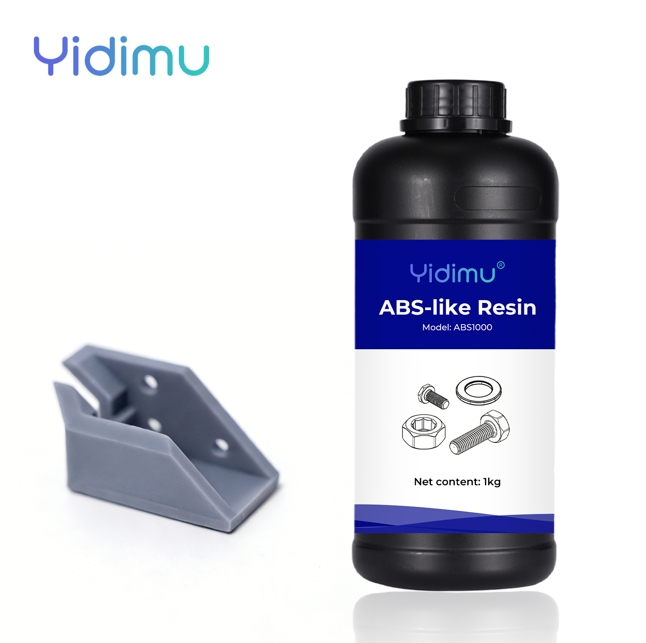
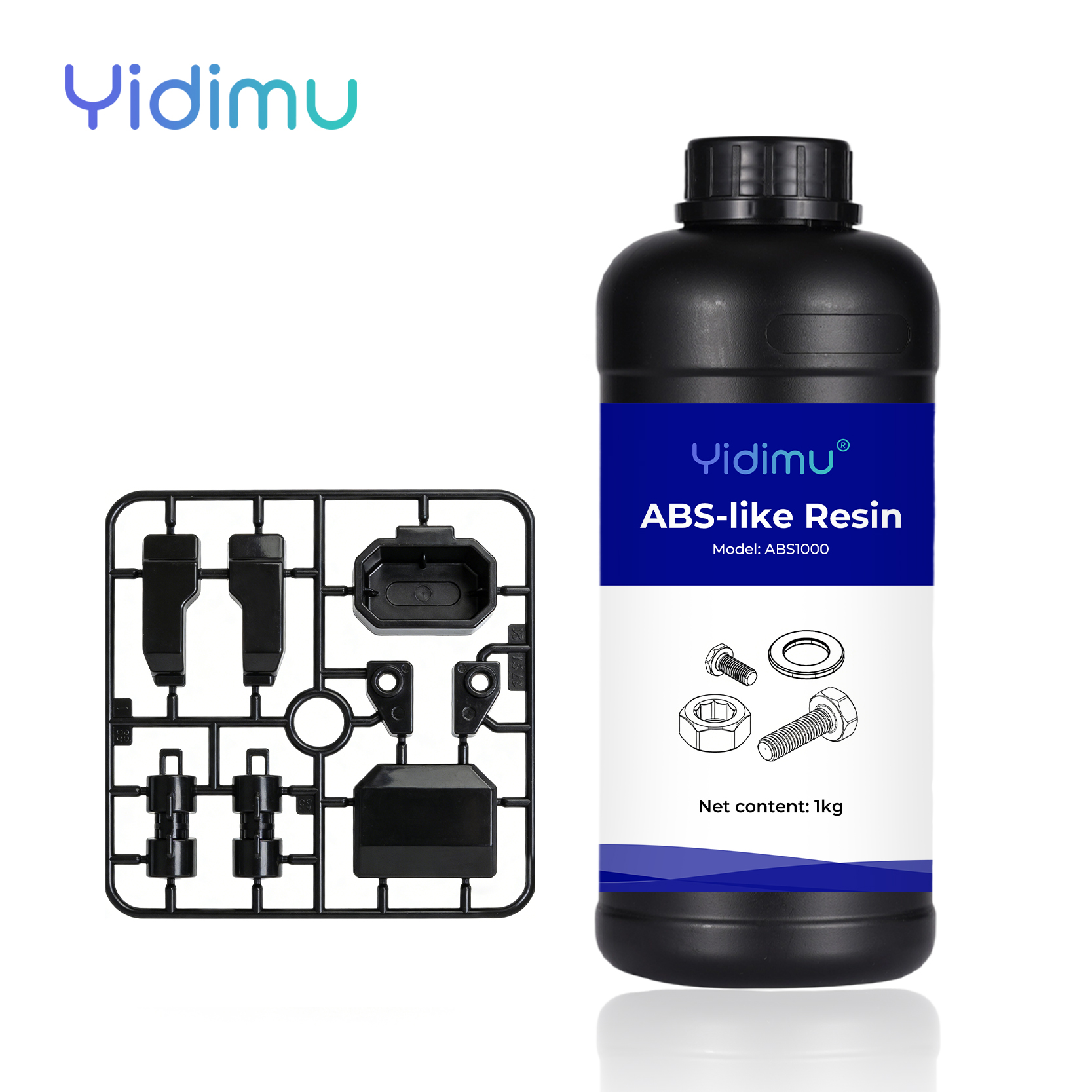
ABS-like photopolymer resin for resin 3D printing
Yidimu ABS-like Resin is designed for tough, high-precision resin 3D printed parts, offering low viscosity, smooth surface finish and compatibility with 385–405 nm LCD/DLP printers.
ABS-like resin is intended for prototypes, functional samples and model parts, not for certified end-use load-bearing parts unless separately tested and validated.
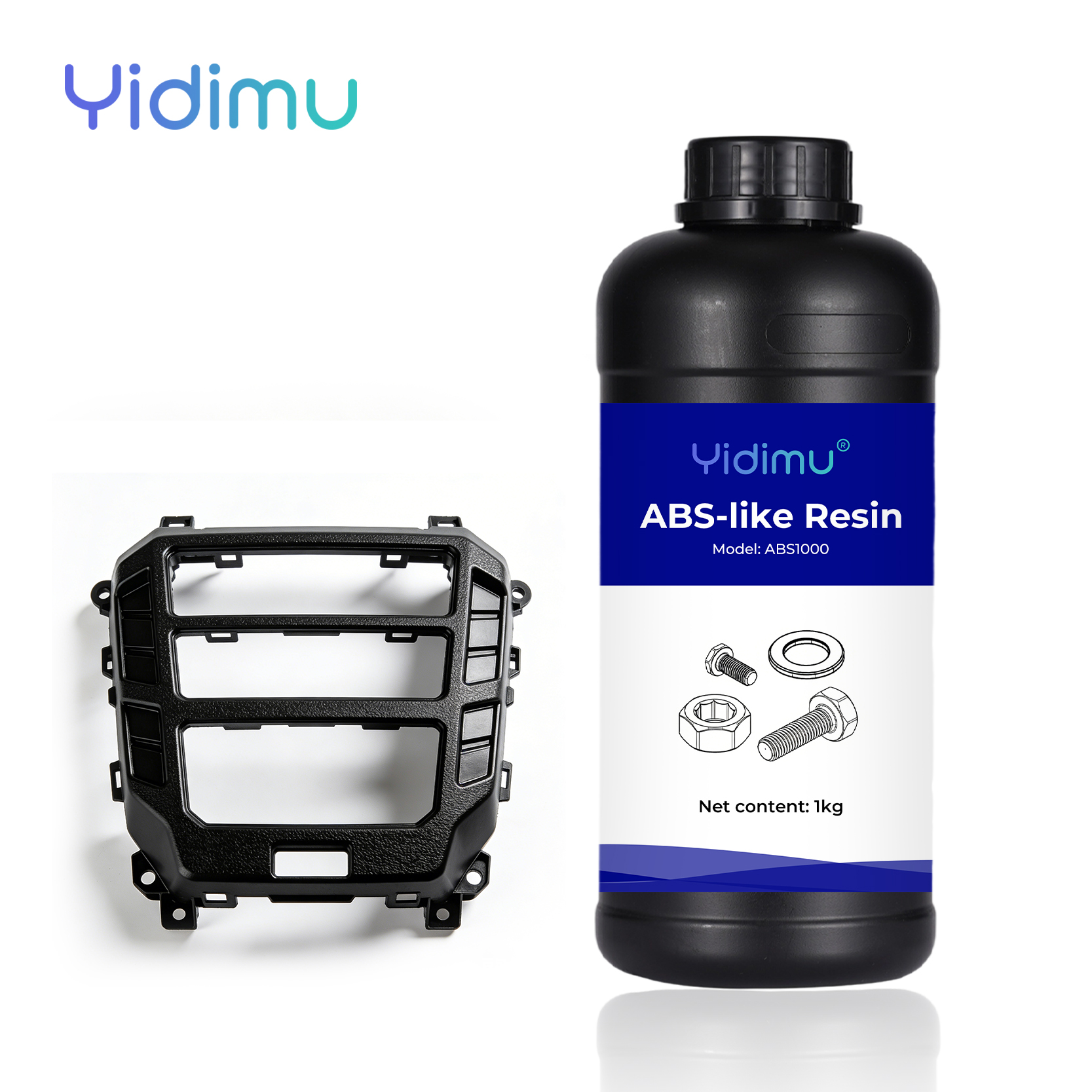
Yidimu ABS-like Resin for Industrial Resin 3D Printing
Yidimu ABS-like Resin is developed for professional resin 3D printing users who need tough, high-precision parts with smooth surfaces, good dimensional stability and improved durability for industrial samples, functional models and production trial parts.
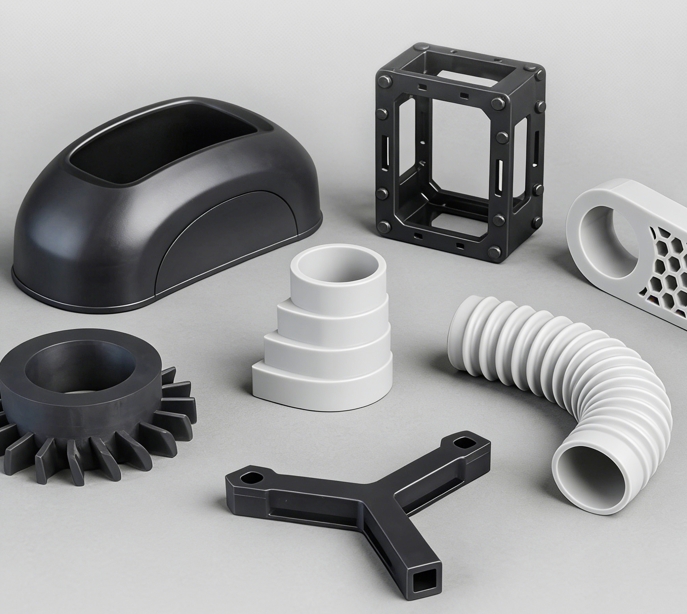
ABS-like Resin Designed for Industrial Applications
This ABS-like photopolymer resin is suitable for users who need stronger resin printed parts than ordinary model resin. It is designed to support detailed printing, smoother surface quality, better toughness and stable part performance after proper printing, cleaning and UV curing.
The material is suitable for functional appearance models, engineering samples, assembly test parts, drillable structures and small-batch trial parts where surface finish and practical handling strength are both important.
Product Information
- Product name: Yidimu ABS-like Resin
- Resin type: ABS-like photopolymer resin
- Net content: 1 kg
- Printer compatibility: Most 385–405 nm LCD and DLP resin 3D printers
- Main use: Industrial samples, functional models and durable prototype parts
Why Choose ABS-like Resin for Functional Resin Parts?
Compared with standard display model resin, ABS-like resin is better suited for parts that require toughness, handling strength and reliable detail reproduction.
Smooth Surface Finish
Helps produce clean, refined surfaces for appearance models, engineering samples and display parts.
Good Toughness
Designed to reduce brittleness and support stronger printed samples for handling and review.
Impact Resistance
Suitable for parts that may need better resistance to dropping, testing or assembly handling.
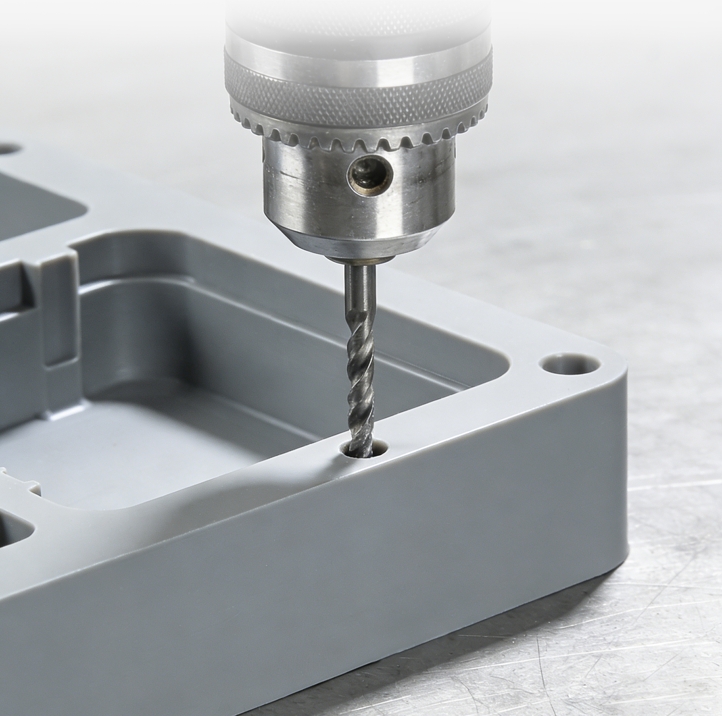
Drillable & Tappable
Supports post-print machining such as drilling and tapping when parts are properly printed and cured.
High Precision
Designed for clear detail reproduction and accurate printed features in resin 3D printing workflows.
Low Shrinkage
Helps maintain part shape after curing and supports better dimensional consistency.
Low Viscosity
Good flowability helps resin refill between layers and supports efficient printing performance.
Fast Curing Response
Supports efficient resin printing when exposure settings are properly adjusted for the printer.
Suitable Applications for Yidimu ABS-like Resin
This resin is suitable for professional users who need resin printed parts with better toughness, high detail and practical handling performance.
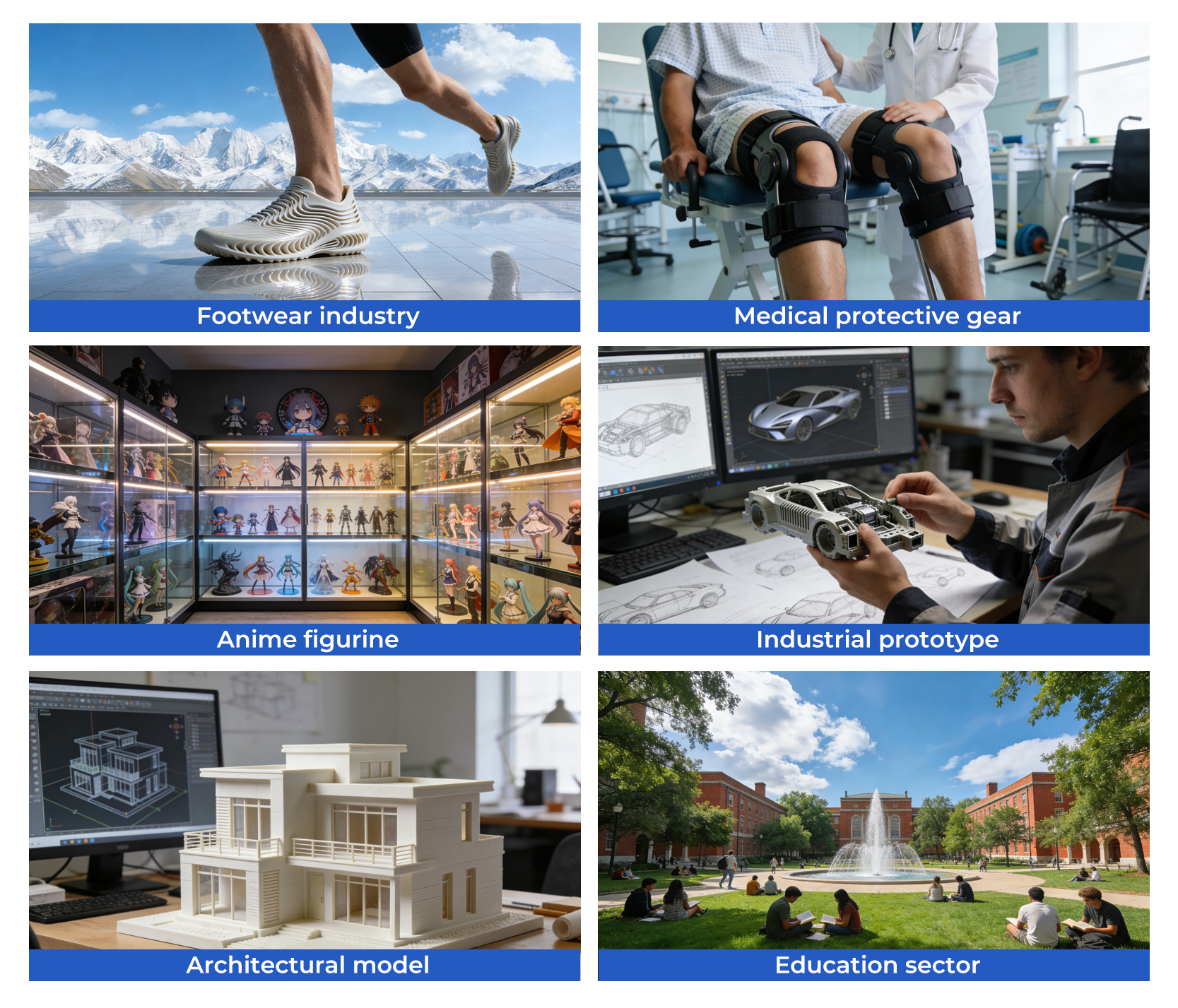
Industrial Prototypes
For engineering samples, product structure verification and early-stage functional appearance models.
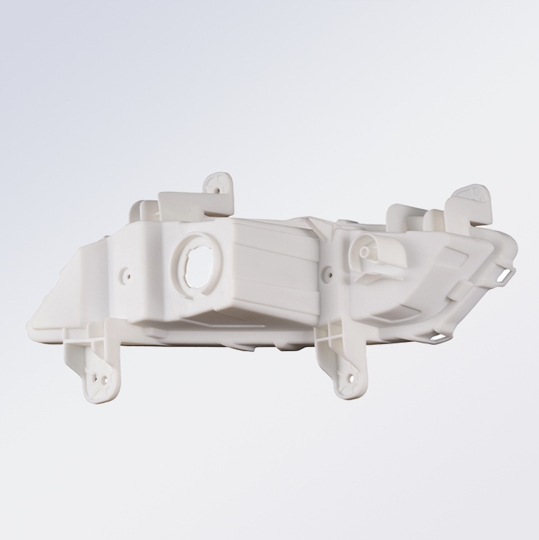
Functional Sample Parts
For sample parts that need stronger handling performance than standard model resin.
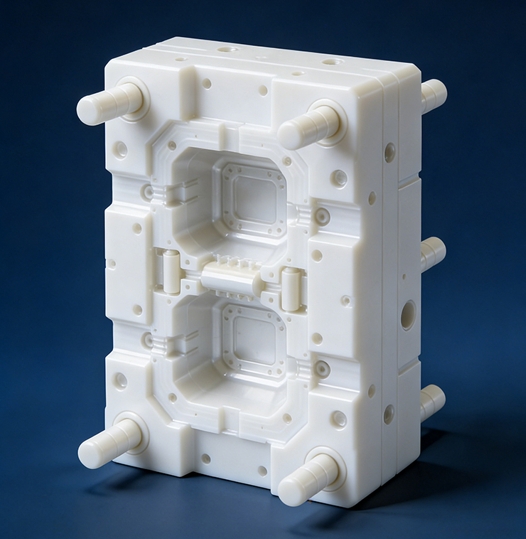
Drillable & Tappable Parts
For parts that may require secondary machining, drilling, tapping or assembly testing.
Assembly Test Models
For fit checks, mechanical layout review and product development validation.
Model Making Workshops
For clean surface models, detail samples and professional resin model production.
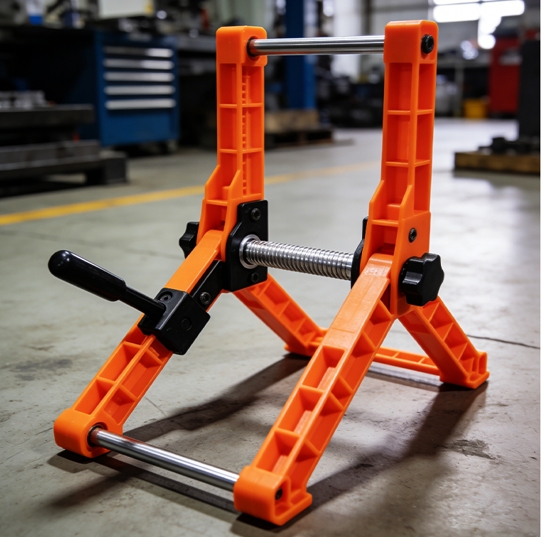
Small-Batch Trial Parts
For low-volume test parts before tooling, molding or formal production decisions.
Material Properties and Reference Printing Parameters
Printing parameters should be used as starting references and adjusted according to printer power, model structure, resin temperature and actual results.
| Shore Hardness | 90D |
|---|---|
| Flexural Strength | 40.72 MPa |
| Tensile Modulus | 1180 MPa |
| Notched Impact Strength | 81 J/m |
| Viscosity | 150–300 cps at 25°C |
| Tensile Strength | 52.6 MPa |
| Compatible Printers | Most 385–405 nm LCD and DLP resin 3D printers |
| Recommended Light Intensity | 3.1–5 mW/cm² |
| Layer Thickness | 0.05 mm |
| Normal Exposure Time | 2–3 s |
| Bottom Exposure Time | 20 s |
| Bottom Layers | 5 layers |
Should Confirm Before Using This Resin
ABS-like resin is a practical option for industrial resin printing, but the final part quality depends on printer calibration, exposure settings, support design, cleaning quality and UV curing control.
- Confirm that the printer supports 385–405 nm photopolymer resin.
- Run exposure tests before printing production samples.
- Use suitable supports for parts with holes, overhangs or thin walls.
- Allow parts to dry fully after cleaning before UV curing.
- For dental labs, use this material only for non-clinical models unless the material is separately validated for the intended use.
Resin 3D Printing Workflow
A stable resin workflow helps improve surface quality, accuracy and repeatability for industrial printed parts.
Prepare 3D File
Check wall thickness, holes, tolerance areas and orientation before slicing.
Set Parameters
Use the reference exposure settings as a starting point and adjust through test printing.
Resin Printing
Shake the resin before use and print at the recommended working temperature range.
Cleaning
Remove uncured resin from the part surface and internal features according to the resin workflow.
UV Curing
Post-cure the part evenly so it reaches better handling strength and surface stability.
Inspection
Check dimensions, surface finish, holes, threads and assembly areas before use.
Cleaning and UV Curing Notes
Post-processing is important for ABS-like resin parts. After printing, parts should be cleaned, dried and UV cured before machining, assembly testing or long-term handling.
- Remove liquid resin from the printed part surface after printing.
- Clean inner holes, grooves and hollow structures carefully.
- Allow the part to dry before UV curing.
- Use suitable UV curing equipment for more consistent results.
- Do not drill, tap or assemble parts before they are properly cured.
Storage and Safe Handling Guidance
Shake Before Use
Shake the bottle well before pouring resin into the vat to help maintain consistent material performance.
Recommended Temperature
20°C–25°C.
Wear Protection
Wear gloves and a mask during handling. Avoid direct contact between uncured resin and skin.
Avoid Sunlight
Store away from direct sunlight, dust, children and pets. Keep the bottle closed after use.
Frequently Asked Questions
What is Yidimu ABS-like Resin used for?
It is used for industrial prototypes, functional samples, assembly test parts, model making and resin printed parts that need better toughness and handling strength than standard model resin.
Can the printed parts be drilled or tapped?
The product image highlights drillable and tappable performance. For best results, parts should be properly printed, cleaned and UV cured before drilling, tapping or assembly testing.
Which printers are compatible with this resin?
The product image states compatibility with most 385–405 nm LCD and DLP resin 3D printers. Users should still run exposure tests before formal production.
What are the suggested starting exposure settings?
The provided image shows 0.05 mm layer thickness, 2–3 s normal exposure, 20 s bottom exposure and 5 bottom layers under 3.1–5 mW/cm² light intensity. These are reference settings and should be adjusted according to the printer and model.
Is this resin suitable for dental use?
This page positions the material as an industrial ABS-like resin. For dental labs, it should only be considered for non-clinical models unless a dedicated dental material and validated workflow are used for the intended dental application.
Does this resin require UV curing after printing?
Yes. Like most photopolymer resin workflows, printed parts should be cleaned, dried and post-cured before final inspection, machining or use.
Need Help Choosing Resin for Your Printer or Application?
Yidimu can help professional users review printer compatibility, sample requirements, resin selection, exposure settings and post-processing workflow before formal production.