
Industrial 3D Printing Solutions for Factories
Resin 3D Printing for Prototyping, Testing and Small-Batch Production
Yidimu provides industrial resin 3D printing solutions for factories, product development teams, model-making companies, research centers and small-batch production users.
Our solutions support industrial prototypes, factory samples, product design verification, model making, jigs, fixtures, flexible resin parts and small-batch production trials.
For industrial users, choosing a 3D printer is not only about resolution or machine size. The real question is whether the printer, resin material, UV curing process and technical support can work together in a practical production workflow.
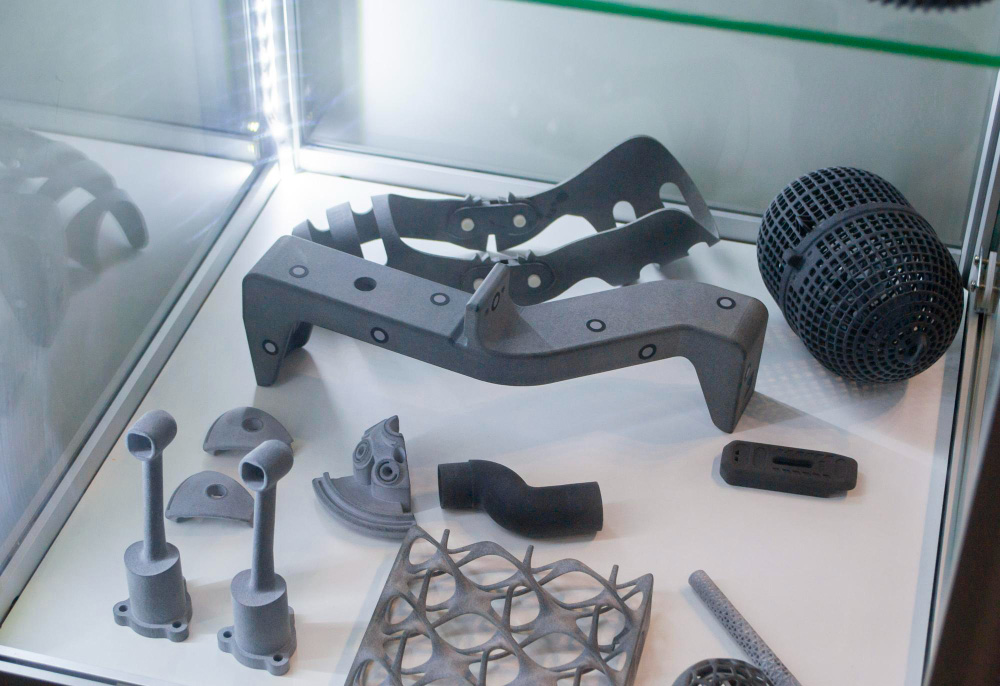

Industrial Prototyping
Industrial prototyping is used to check product appearance, structure, assembly and design details before mold opening or production planning.
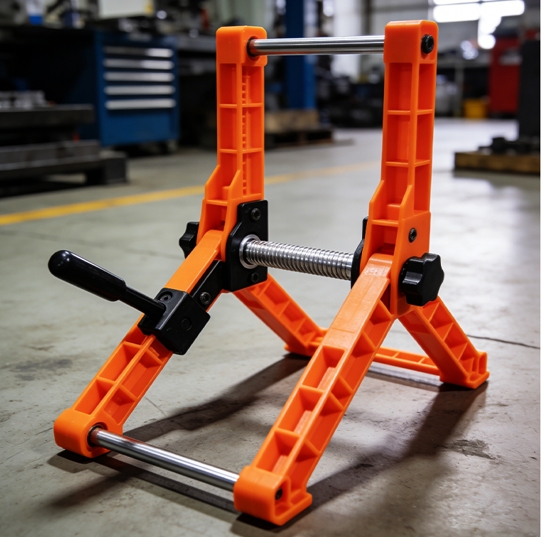
Jigs and Fixtures
3D printing can support custom jigs, fixtures, positioning tools and testing aids for factory workflows
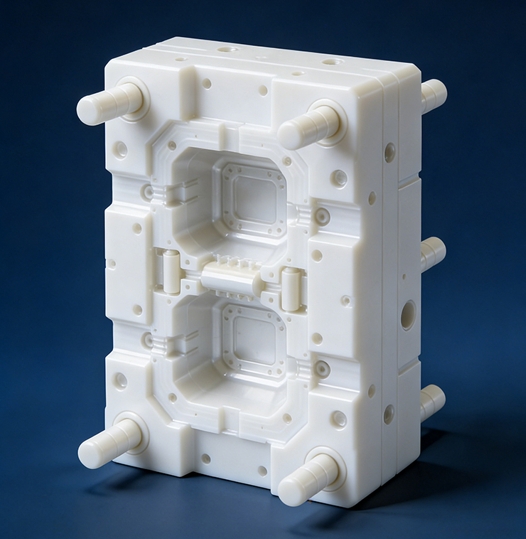
Industrial Model Making
Resin 3D printing is suitable for display models, engineering models, architectural models, mechanical models and
presentation models.
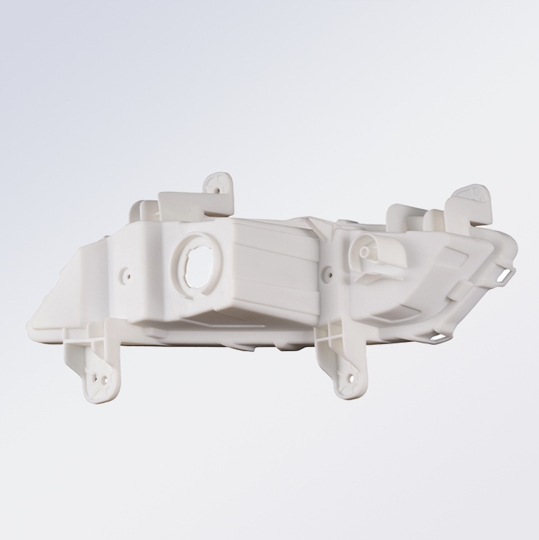
Small-Batch Production
Resin 3D printing can support low-volume trial parts when the application matches the printer size, resin performance and post-processing workflow.
3D Printer, Resin and UV Curing Workflow
Industrial resin 3D printing is a complete workflow.

Industrial 3D Printing Solutions by Application
Industrial resin 3D printing is used in different stages of product development, factory sample preparation and small-batch production trials. The best solution should be selected according to the application, part size, resin performance, surface finish and post-processing requirements.
| Application | Typical Use | Key Requirements |
|---|---|---|
| Industrial Prototyping | Product appearance review, structure confirmation, fitting test and design communication before production. | Clear details, stable dimensions, suitable resin strength and smooth surface quality. |
| Factory Sample Making | Physical samples for customer approval, internal project review and pre-production confirmation. | Repeatable output, efficient printing, reliable post-processing and practical delivery time. |
| Product Development | Design iteration, model modification, assembly review and engineering verification. | Fast file-to-part workflow, flexible parameter adjustment and material matching. |
| Jigs and Fixtures | Positioning fixtures, checking tools, assembly aids and inspection support parts. | Dimensional stability, suitable rigidity, clean edges and practical resin selection. |
| Industrial Model Making | Display models, engineering models, mechanical models, presentation samples and design models. | Fine detail reproduction, smooth surface finish and controlled support removal. |
| Small-Batch Production Trials | Low-volume trial parts for testing, review, customer confirmation or production preparation. | Batch consistency, printing efficiency, resin cost control and stable curing workflow. |
| Flexible Resin Parts | Soft samples, wearable parts, shoe components, protective structures and elastic model testing. | Flexible resin compatibility, controlled deformation, correct curing and application matching. |
Industrial Resin 3D Printing Workflow
A complete industrial resin printing solution should include file preparation, slicing, resin printing, cleaning, UV curing, support removal and final inspection. Each step affects the final part quality and repeatability.
| Step | Workflow Stage | Practical Description |
|---|---|---|
| 1 | 3D File Preparation | The workflow starts from a 3D model file prepared by the product design, engineering or sample development team. |
| 2 | Model Review | The file should be checked for model size, wall thickness, holes, sharp details, unsupported areas and possible printing risks. |
| 3 | Slicing Setup | The operator prepares orientation, support placement, layer thickness, exposure settings and resin parameters in slicing software. |
| 4 | Resin Selection | The resin should match the application, such as appearance model, rigid part, flexible part, castable model or general industrial sample. |
| 5 | Resin 3D Printing | The part is printed using compatible photopolymer resin. Machine stability, light source performance and platform movement affect print quality. |
| 6 | Cleaning | After printing, the part is cleaned to remove uncured resin from surfaces, holes, grooves and detailed areas. |
| 7 | UV Curing | Post-curing helps printed resin parts reach a more stable final state according to resin and application requirements. |
| 8 | Support Removal | Supports should be removed carefully to reduce surface marks and protect important appearance or fitting areas. |
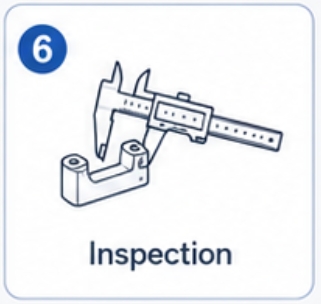
| 9 | Inspection | The printed part should be checked for surface quality, deformation, detail clarity, fitting performance and workflow suitability. |
What Industrial Users Usually Need to Consider
Industrial users usually care about more than one machine specification. A practical solution should match the whole production process, from 3D file preparation to final sample inspection.
| Key Factor | Why It Matters |
|---|---|
| Part Size | The printer build size should match the largest model, batch layout and production schedule. Large parts may need splitting, printing and assembly. |
| Printing Accuracy | Accuracy affects fitting areas, assembly tests, model details and customer approval samples. |
| Surface Finish | Smooth surfaces are important for appearance samples, display models, product review and presentation parts. |
| Resin Performance | Different applications may require rigid resin, flexible resin, castable resin, water-washable resin or general model resin. |
| Printing Efficiency | Industrial users should consider daily output, printing time, batch arrangement and post-processing workload. |
| Post-Processing | Cleaning, UV curing, support removal and inspection directly affect the final part condition and repeatability. |
| Workflow Stability | Stable results across multiple jobs are more important than only one successful sample print. |
| Technical Support | Industrial users may need help with parameter setup, resin matching, failed print analysis and maintenance guidance. |
Solution Matching for Different Industrial Users
Different users have different production goals. Yidimu can help review the application before recommending a printer, resin and post-processing workflow.
| User Type | Main Needs | Yidimu Solution Direction |
|---|---|---|
| Factories | Factory samples, jigs, fixtures, assembly tests and trial parts. | Recommend suitable resin printing equipment according to part size, accuracy needs and production workflow. |
| Product Development Teams | Fast design iteration, prototype review, structural testing and appearance confirmation. | Support prototype printing, resin selection, sample testing and parameter communication. |
| Model-Making Companies | Fine detail output, smooth surfaces, display models and repeatable model production. | Help select resin printers and curing workflow for high-detail model preparation. |
| Research Centers | Experimental samples, material testing, project models and multi-application printing. | Provide workflow suggestions for different resin materials, model structures and printing parameters. |
| Small-Batch Production Users | Low-volume trial parts, batch consistency and practical production planning. | Support batch printing workflow review, post-processing setup and sample confirmation before purchase. |
| Procurement Teams | Clear equipment comparison, application fit, service support and long-term use planning. | Help evaluate printer configuration, resin workflow, UV curing needs and after-sales support. |
Common Industrial 3D Printing Use Cases
Industrial resin 3D printing can be used in multiple workflow stages before mass production, especially when users need physical samples, model review or low-volume trial parts.
| Use Case | Suitable Scenario | Workflow Note |
|---|---|---|
| Appearance Samples | Used when the team needs to review product shape, surface detail, size and visual presentation. | Surface finish, support marks and post-curing should be controlled carefully. |
| Assembly Test Models | Used to check whether different parts can fit, align or connect before production confirmation. | Important fitting areas should be placed and supported carefully during slicing. |
| Customer Approval Samples | Used when a factory needs to send a physical sample to a customer before tooling or production. | Repeatability and final appearance are important for communication and approval. |
| Engineering Review Models | Used by engineers to check structure, clearance, wall thickness and assembly logic. | Model orientation and resin choice should match the review purpose. |
| Trial Production Parts | Used when users need several or dozens of parts for testing, review or pilot production. | Batch layout, resin cost, printing time and curing consistency should be considered. |
| Flexible Samples | Used for soft parts, wearable structures, shoe components and elastic product samples. | Flexible resin parameters, cleaning method and curing control affect final elasticity. |
Printer, Resin and UV Curing Should Work Together
In industrial resin 3D printing, the printer alone cannot guarantee the final result. Resin selection, slicing parameters, cleaning and UV curing should be planned as one complete workflow.
| Workflow Element | Role in the Final Result |
|---|---|
| 3D Printer | Controls build size, light exposure, platform movement, printing speed and basic printing stability. |
| Resin Material | Determines the printed part’s surface, rigidity, flexibility, casting behavior, cleaning method and application suitability. |
| Slicing Parameters | Affect model orientation, support strength, layer thickness, exposure time, surface finish and print success rate. |
| Cleaning Process | Removes uncured resin and helps preserve fine details, holes, grooves and surface quality. |
| UV Curing | Helps printed resin parts reach a stable final state according to material and application requirements. |
| Inspection | Checks whether the printed part meets surface, size, detail, fit and project requirements before the next workflow step. |
Yidimu Industrial 3D Printing Solution Support
Yidimu provides workflow-oriented support for industrial customers who need to choose a suitable resin printer, resin material and post-processing process.
| Support Area | What Yidimu Can Help With |
|---|---|
| Application Review | Understand the customer’s main application, model size, material needs and expected use before recommending a solution. |
| Printer Selection | Help users choose a suitable industrial resin 3D printer according to part size, accuracy needs and printing volume. |
| Resin Matching | Provide resin selection suggestions for prototypes, factory samples, flexible parts, model making and trial production. |
| Sample Printing | Support sample printing before purchase when customers need to check surface quality, detail and printability. |
| Workflow Setup | Help users understand printing, cleaning, UV curing, support removal and inspection steps before daily operation. |
| Parameter Support | Provide technical communication for slicing parameters, exposure settings, resin profiles and common troubleshooting. |
| After-Sales Support | Support customers with operation guidance, maintenance suggestions and common printing issue analysis. |
3D Printer
| Industrial 3D Printing Solutions for Factories |
|---|
| Industrial Resin 3D Printers |
| Eternal M2 Industrial Resin 3D Printer |
| Flexible Resin 3D Printers |
| 3D Printing Resins |
| UV Curing Boxes |
| Contact Us |
FAQ
| Question | Answer |
|---|---|
| What is an industrial 3D printing solution? | An industrial 3D printing solution includes printer selection, resin matching, file preparation, slicing, resin printing, cleaning, UV curing, support removal, inspection and technical support. |
| What applications can industrial resin 3D printing support? | It can support industrial prototypes, factory samples, product development parts, model making, jigs, fixtures, flexible parts and small-batch production trials. |
| How should factories choose a suitable resin 3D printer? | Factories should check part size, accuracy needs, resin compatibility, surface finish, daily workload, post-processing requirements and technical support. |
| Can resin 3D printing be used before mold opening? | Yes. It can help teams review product appearance, structure, assembly and details before mold opening or production planning. |
| Is post-curing necessary for industrial resin prints? | For most resin printing workflows, UV curing is an important post-processing step. The curing process should match the resin and final application. |
| Can Yidimu provide sample printing before purchase? | Yes. Customers can provide a 3D file or application requirement for sample printing review when needed. |