
Industrial Resin 3D Printers
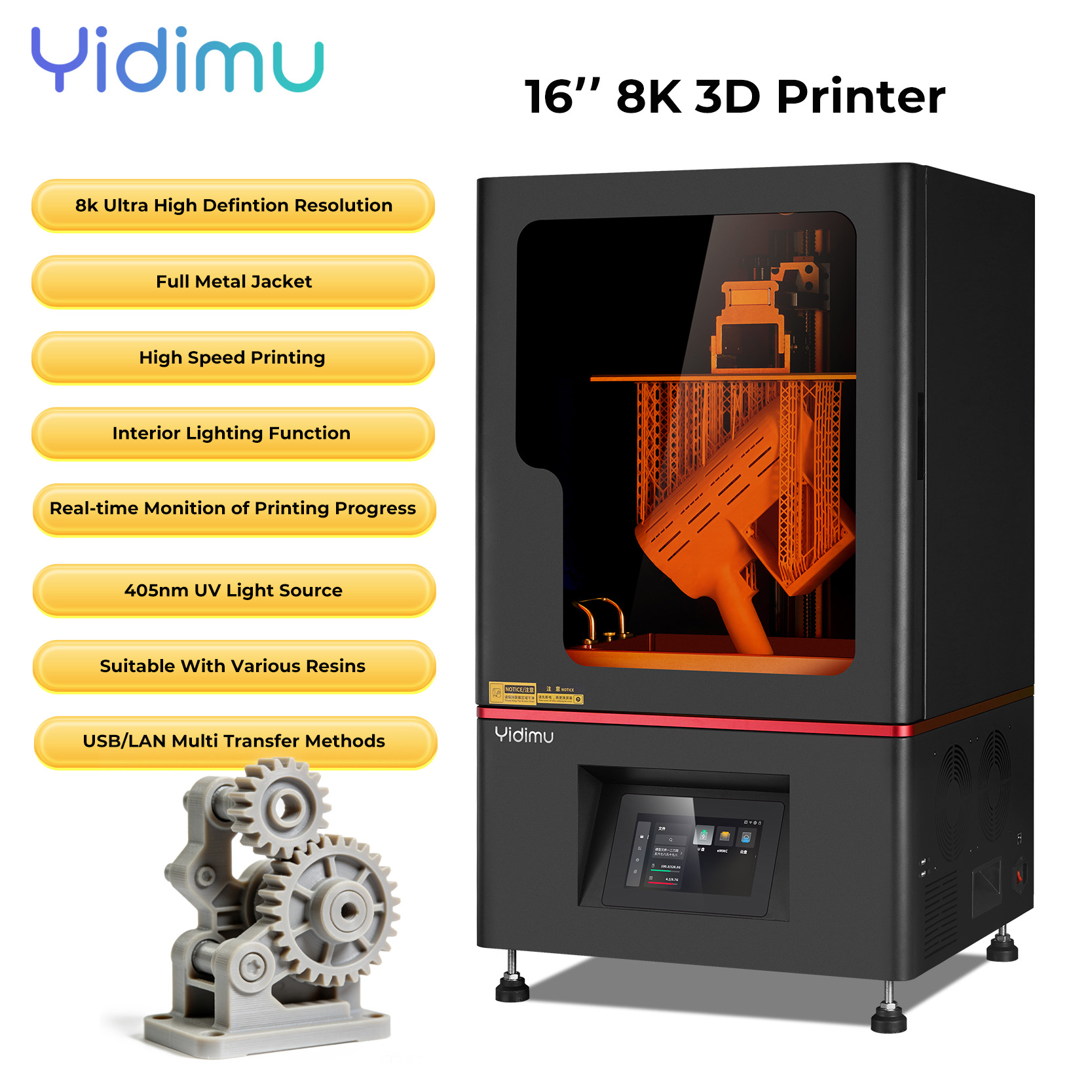
Yidimu industrial resin 3D printers are designed for professional users who need accurate, stable and repeatable resin printing for industrial prototypes, factory samples, product development, model making and small-batch trial production.
Yidimu helps customers choose suitable printing equipment, resin materials and post-processing workflows according to model size, accuracy requirement, surface finish, material performance and daily printing workload.
Main Applications
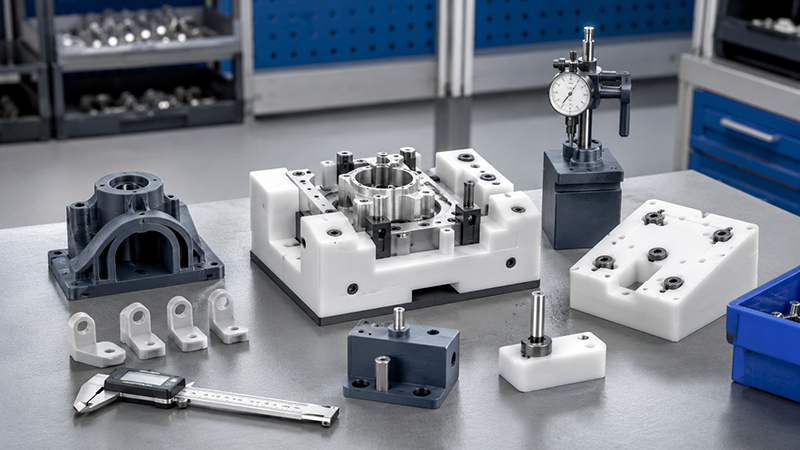
Why Choose an Industrial Resin 3D Printer?
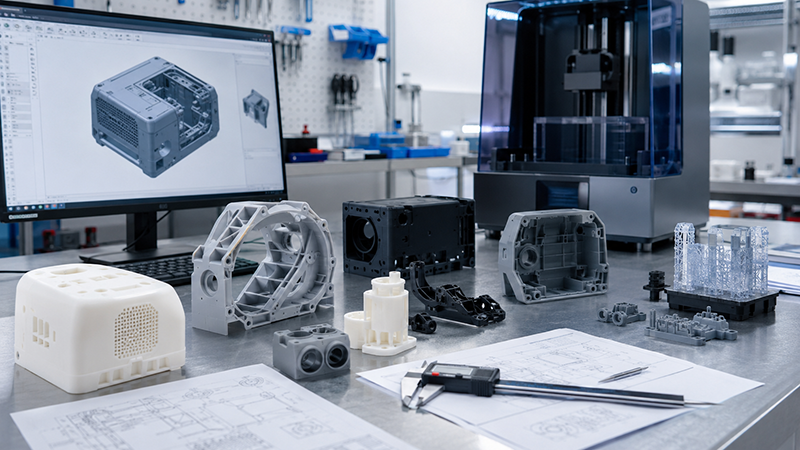
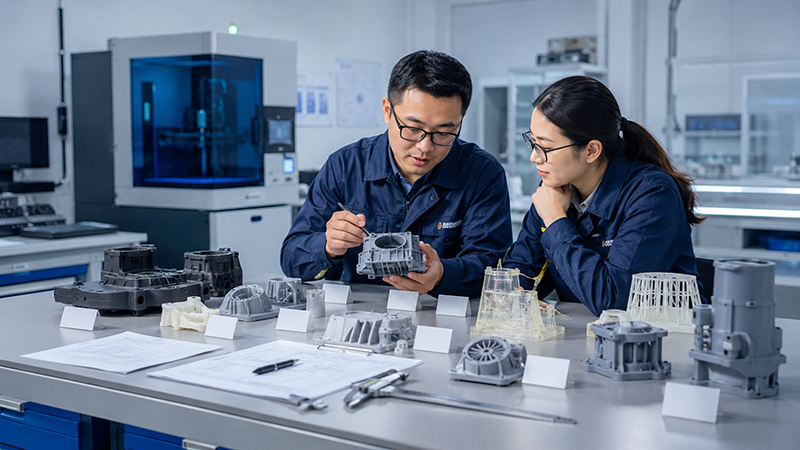
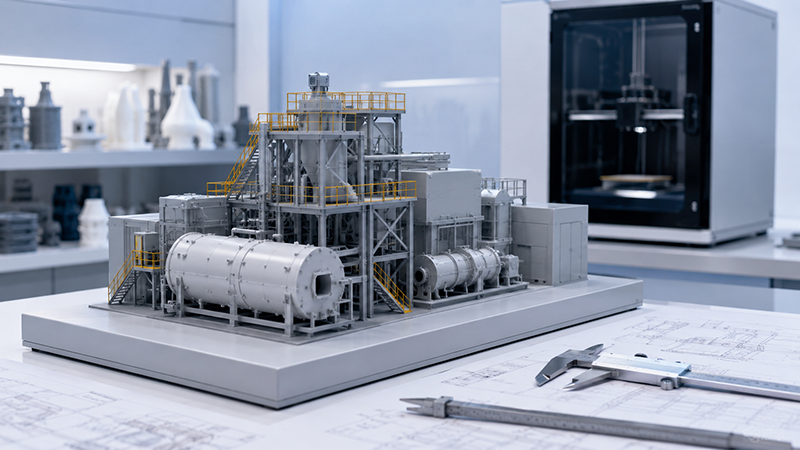
Industrial resin 3D printing is suitable for users who need fine details, smooth surfaces and stable forming quality. Compared with rough sample-making methods, resin 3D printing can help teams turn digital files into physical parts quickly for review, testing and communication.
How to Choose an Industrial Resin 3D Printer
Choosing an industrial resin 3D printer is not only about resolution. Industrial users should consider model size, printing accuracy, resin compatibility, surface finish, production frequency, post-processing workflow and technical support before selecting a suitable machine.
| Customer Need | What to Check | Why It Matters |
|---|---|---|
| Industrial Prototyping | Accuracy, surface finish, model size and resin performance | Prototype parts need to show product details clearly for design review, fitting checks and internal communication. |
| Factory Sample Making | Printing stability, repeatability, build volume and post-processing time | Factory samples are often used before tooling or mass production, so stable output and repeatable quality are important. |
| Product Development | File preparation, material selection, detail quality and revision speed | Product development teams usually need to test several design versions before confirming the final structure. |
| Model Making | Fine details, smooth surfaces, layer thickness and support removal | Professional model workshops need clean surface quality and clear details for display models and appearance samples. |
| Small-Batch Trial Production | Printing efficiency, resin cost, curing process and batch consistency | Small-batch printing requires a complete workflow, not only a printer with high resolution. |
Main Applications of Industrial Resin 3D Printers
Industrial resin 3D printing can support different stages of product development, sample making and manufacturing preparation. The final application should determine the printer configuration, resin type and post-processing method.
| Application | How Industrial Resin 3D Printing Can Support This Workflow |
|---|---|
| Industrial Prototypes | Used to produce product prototypes for structure review, appearance evaluation, fitting tests and internal project discussion. |
| Factory Samples | Helps factories prepare physical samples before tooling, production confirmation or customer approval. |
| Product Development Parts | Supports design iteration by turning digital 3D files into physical parts for testing and modification. |
| Industrial Model Making | Suitable for high-detail models, display parts, engineering models and presentation samples that require smooth surfaces. |
| Jigs and Fixtures | Can be used to print positioning fixtures, checking tools, assembly aids and inspection support parts depending on resin performance. |
| Assembly Test Parts | Printed parts can help teams check product fit, part position, assembly logic and design details before production. |
| Small-Batch Trial Models | Supports low-volume trial production when users need multiple parts for testing, review or customer confirmation. |
| Functional Appearance Samples | Helps create samples that show product shape, surface detail and basic structure for project evaluation. |
Key Factors Industrial Users Should Compare
Industrial users usually need more than a desktop printing experience. A suitable industrial resin 3D printer should match the actual production workflow, not only the advertised resolution.
| Key Factor | Why It Matters |
|---|---|
| Build Size | The build size should match the largest part, batch printing needs and model structure. Larger models may need to be split and assembled. |
| XY Accuracy | XY accuracy affects edge quality, detail clarity, fitting areas and small structure reproduction. |
| Layer Thickness | Layer thickness affects surface smoothness, printing time and detail performance. Users should balance quality and efficiency. |
| Light Source Stability | Stable curing performance helps improve consistency across different parts and repeated printing jobs. |
| Z-Axis Structure | A stable Z-axis helps reduce layer lines, deformation and printing failure risks during long printing jobs. |
| Resin Compatibility | Different applications may require rigid resin, model resin, castable resin, flexible resin or other light-curing materials. |
| Printing Speed | Printing speed affects daily output, sample delivery time and production planning. |
| Software Workflow | Slicing software, file preparation, support placement and parameter settings directly affect printing stability. |
| Post-Processing | Cleaning, support removal, UV curing and final inspection are part of the complete industrial resin printing workflow. |
| Technical Support | Industrial users may need support for parameter setup, failed print analysis, resin matching and maintenance guidance. |
Typical Industrial Resin 3D Printing Workflow
A practical industrial resin printing workflow should help users move from digital design to printed samples with clear process control and repeatable results.
| Step | Workflow Stage | Practical Description |
|---|---|---|
| 1 | 3D File Preparation | The workflow starts from a 3D model file prepared by the design, engineering or product development team. |
| 2 | Model Review | The file should be checked for size, wall thickness, structure, detail areas and possible printing risks before slicing. |
| 3 | Slicing Setup | The operator prepares model orientation, support placement, layer thickness and resin parameters in slicing software. |
| 4 | Resin 3D Printing | The part is printed using compatible photopolymer resin. Printing stability, exposure settings and machine structure affect the result. |
| 5 | Cleaning | After printing, the part is cleaned to remove uncured resin from the surface, holes, grooves and detailed areas. |
| 6 | UV Curing | Post-curing helps printed resin parts reach a more stable final state according to resin and application requirements. |
| 7 | Support Removal | Supports are removed carefully to reduce surface marks and protect important appearance or fitting areas. |
| 8 | Final Inspection | The printed part should be checked for surface quality, deformation, detail clarity, fitting performance and workflow suitability. |
Industrial Resin 3D Printing for Different Users
Different industrial users have different production goals. Yidimu can help review the customer’s application before recommending a printer, resin and post-processing workflow.
| User Type | Main Needs | Yidimu Solution Direction |
|---|---|---|
| Industrial Manufacturers | Stable sample production, model review, trial parts and workflow support. | Recommend suitable resin printing equipment according to part size, accuracy needs and application scenario. |
| Product Development Teams | Fast design iteration, prototype testing, structure review and appearance confirmation. | Support prototype printing, resin selection, sample testing and parameter communication. |
| Model Making Workshops | Smooth surface quality, fine detail output, repeatable printing and post-processing control. | Help choose resin printers and curing workflow for high-detail model production. |
| R&D Centers | Material testing, experimental samples, design validation and multi-project printing needs. | Provide workflow suggestions for different resin materials and printing parameters. |
| Small-Batch Production Teams | Low-volume trial models, stable batch output and practical production planning. | Support batch printing workflow review, post-processing setup and sample confirmation before purchase. |
| Professional Procurement Teams | Clear equipment comparison, application fit, support capability and long-term use planning. | Help evaluate printer configuration, material workflow, UV curing needs and after-sales support. |
Why Industrial Resin Printing Is Different from Desktop Hobby Printing
Industrial resin printing focuses on application fit, repeatable output and complete workflow control. The printer, resin, software and post-processing process should work together.
| Industrial Requirement | Explanation |
|---|---|
| Repeatable Output | Industrial users often need stable results across multiple projects, not only one successful sample. |
| Application-Based Selection | The right printer should be selected according to actual model size, resin type, surface quality and daily workload. |
| Material Workflow | Different resin materials require different exposure settings, cleaning methods, curing conditions and handling requirements. |
| Post-Processing Control | Cleaning, support removal and UV curing affect surface condition, final stability and delivery quality. |
| Technical Communication | Industrial users may need help with print failures, parameter adjustment, resin selection and maintenance planning. |
Yidimu Industrial Resin 3D Printing Support
Yidimu supports professional users from application review to printer selection, resin matching, sample printing and workflow setup.
| Support Area | What Yidimu Can Help With |
|---|---|
| Application Review | Understand the customer’s main application before recommending equipment, resin and workflow. |
| Printer Selection | Help users choose a suitable industrial resin 3D printer based on model size, accuracy needs and daily printing workload. |
| Resin Matching | Provide resin selection suggestions according to prototype, model, sample or trial production requirements. |
| Sample Printing | Support sample printing before purchase when users need to check surface quality, details and printability. |
| Workflow Setup | Help users understand printing, cleaning, UV curing, support removal and inspection steps before daily operation. |
| Parameter Support | Provide technical communication for slicing parameters, exposure settings, resin profiles and troubleshooting. |
| After-Sales Support | Support customers with operation guidance, maintenance suggestions and common printing issue analysis. |
Industrial 3D Printers
FAQ
| Question | Answer |
|---|---|
| What can an industrial resin 3D printer be used for? | It can be used for industrial prototypes, factory samples, product development parts, model making, jigs, fixtures, assembly test parts and small-batch trial models depending on resin and workflow. |
| How should I choose an industrial resin 3D printer? | You should check build size, accuracy, resin compatibility, surface finish, printing speed, software workflow, post-processing requirements and technical support. |
| Is resin 3D printing suitable for functional testing? | It depends on the resin material, part structure and working conditions. Strength, toughness, heat resistance, flexibility and long-term use requirements should be confirmed before testing. |
| Can resin printed parts replace injection-molded parts? | For many final mass-production plastic parts, injection molding is still more suitable. Resin 3D printing is often used for prototypes, samples, trial parts and small-batch applications before production confirmation. |
| Do industrial resin printed parts need UV curing? | For most resin printing workflows, UV curing is an important post-processing step. A controlled curing box helps improve curing consistency compared with uncontrolled exposure. |
| Can I send a 3D file before buying? | Yes. Customers can send a 3D file or project requirement for sample printing review, printability checking and suitable printer configuration discussion. |
Yidimu Industrial Resin 3D Printer Advantages
Stable Light-Curing Printing Platform
Yidimu industrial resin 3D printers support stable light-curing resin printing for professional model making, prototyping and factory sample development.
Suitable for Multiple Resin Materials
Yidimu equipment can support different resin workflows depending on the printer model and application, including model resin, rigid resin, castable resin, flexible resin and other light-curing materials. Yidimu’s current English product information also lists compatible resin categories for professional applications.
Application-Based Equipment Recommendation
Yidimu recommends printing solutions based on the customer’s application, model size, material requirement, surface finish and daily use frequency, not only by machine size.
Sample Printing Before Purchase
Customers can send 3D files for sample review. This helps confirm printability, model size, surface quality and workflow suitability before equipment selection.
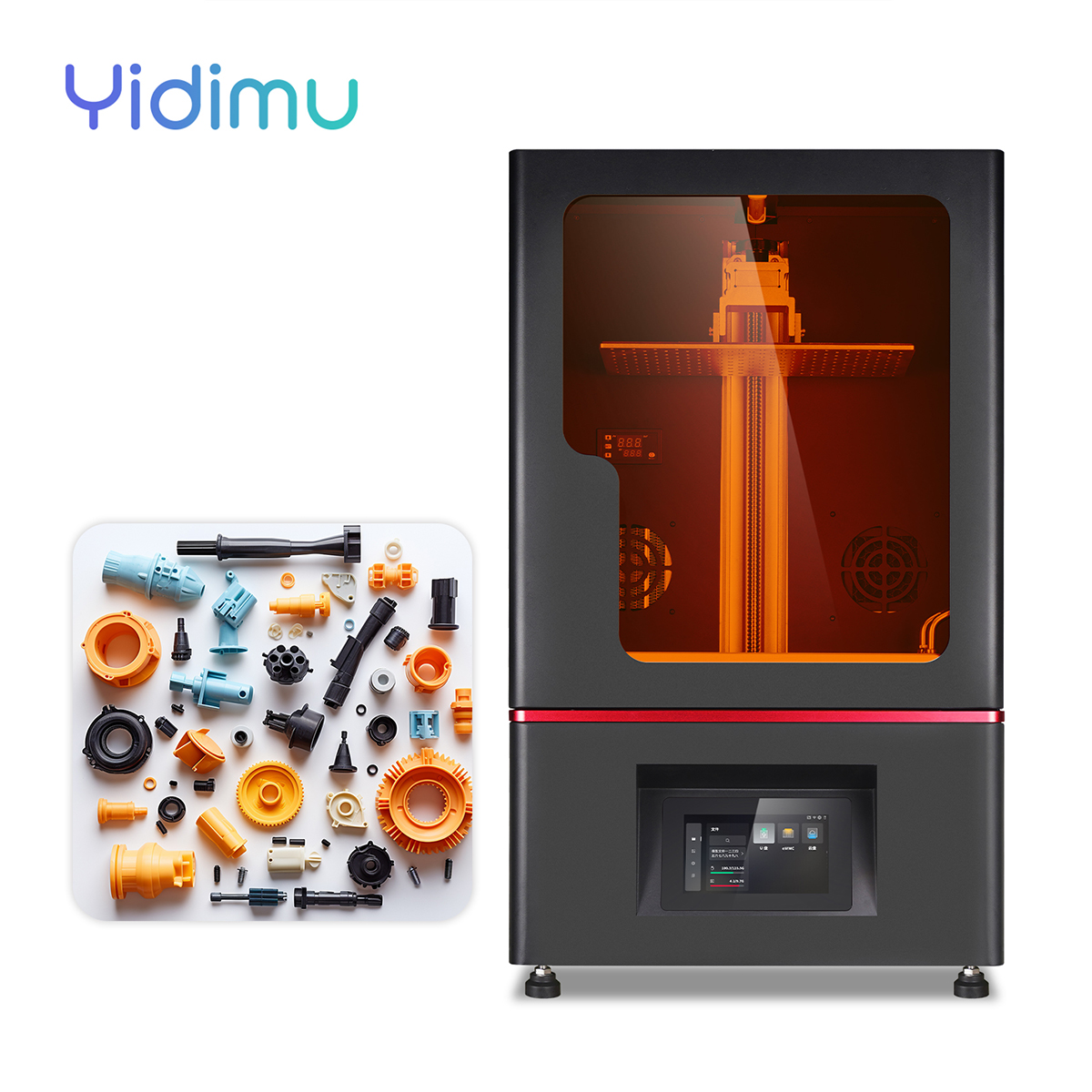
Industrial Resin Printing Is Different from Desktop Hobby Printing
Industrial users usually need more than a simple desktop printing experience. They need stable equipment, repeatable output, resin compatibility, post-processing control and technical support.
Important factors include:
- Build size
- XY accuracy
- Layer thickness
- Light source stability
- Z-axis structure
- Resin compatibility
- Printing speed
- Software workflow
- File format support
- Cleaning process
- UV curing process
- Maintenance and support
A suitable industrial resin 3D printer should match the actual production workflow, not only the advertised resolution.
FAQ
What can a Yidimu industrial resin 3D printer print?
It can support industrial prototypes, product development samples, factory samples, model making, jigs, fixtures, assembly test parts and small-batch trial parts, depending on the resin and workflow used.
Is resin 3D printing suitable for functional parts?
It depends on the resin material, part structure and actual working conditions. For functional testing, customers should confirm strength, toughness, heat resistance, flexibility and long-term use requirements before choosing resin.
Can resin printed parts replace injection-molded parts?
For final mass production, injection molding is still more suitable for many plastic products. Resin 3D printing is usually used for prototypes, samples, review models, trial parts and small-batch applications before production confirmation.
Do I need a UV curing box?
Yes. For most resin printing workflows, UV curing is an important post-processing step. A controlled curing box helps improve consistency compared with uncontrolled exposure.
Can I print large industrial parts?
It depends on the printer build size and model structure. Large parts may need to be printed in sections and assembled after printing.
Can I use different resin materials on one printer?
This depends on the printer model, resin wavelength, exposure parameters and material compatibility. Yidimu can help confirm resin matching before purchase.
Can I send a sample file before buying?
Yes. Customers can send a 3D file for sample printing review. Yidimu can help check model size, printing feasibility and suitable printer configuration.
Does Yidimu provide technical support?
Yes. Yidimu can provide support for printer selection, resin matching, slicing parameters, exposure settings, cleaning, UV curing and troubleshooting.
Request an Industrial Resin 3D Printing Solution
Choosing an industrial resin 3D printer depends on your application, model size, accuracy requirement, resin performance, production frequency and post-processing workflow.
Send your 3D file or project requirement to Yidimu. Our team can help recommend a suitable industrial resin 3D printer, resin material and UV curing workflow.
Send Sample File